Statistically, injuries to the lower extremities are very common, whether at high speeds or even when dropping the bike at slow city speeds. Therefore, when it comes to motorcycling, riding boots are among the most important pieces of gear. They safeguard the rider’s feet and ankles in the event of a crash or fall and need to be tested in a variety of ways to make sure that your shins, feet and ankles can survive a long slide, being twisted abnormally, or having the entire weight of a bike falling on top of them.
In this article, we’ll break down what CE certification means for riding boots, how to decode the labels, and why you should never settle for less than the best protection.
Why CE Certification Matters for Riders
CE certification for motorcycle footwear (EN 13634) signifies that the boots have passed specific safety tests designed for motorcycling conditions. Unlike standard footwear, or safety shoes, CE-certified riding boots are made to withstand high-speed incidents, impacts, abrasion, and sharp object exposure, things that are unique to motorcycling.
Key Safety Tests for CE-Certified Boots
Under the EN 13634 standard, riding boots are tested rigorously in several areas:
- Impact Protection: Impact testing focuses on the ankle and toe areas, which are especially vulnerable in a fall. Certified riding boots absorb impact forces, significantly reducing the chance of fractures or severe injuries.
- Abrasion Resistance: This test measures how well the boot’s material withstands contact with rough surfaces, like asphalt, during a slide. High levels of abrasion resistance protect the rider’s feet and skin, preventing injuries caused by road friction.
- Cut Resistance: In the event of an accident, riders may encounter sharp debris or obstacles. The cut resistance test ensures that the boot’s materials are tough enough to resist punctures or cuts, providing an extra layer of security.
- Sole Rigidity: The sole is tested for torsion and bending resistance, ensuring stability and protection in high-stress situations. A rigid sole also prevents the foot from twisting, helping to avoid sprains or fractures.
The EN 13634 standard for motorcycle boots sets Level 1 and Level 2 performance thresholds for these four key safety tests. In each test, Level 2 provides enhanced protection, making it ideal for intense or high-speed riding, while Level 1 is suitable for lighter, low-speed use.
How to Read the CE Label
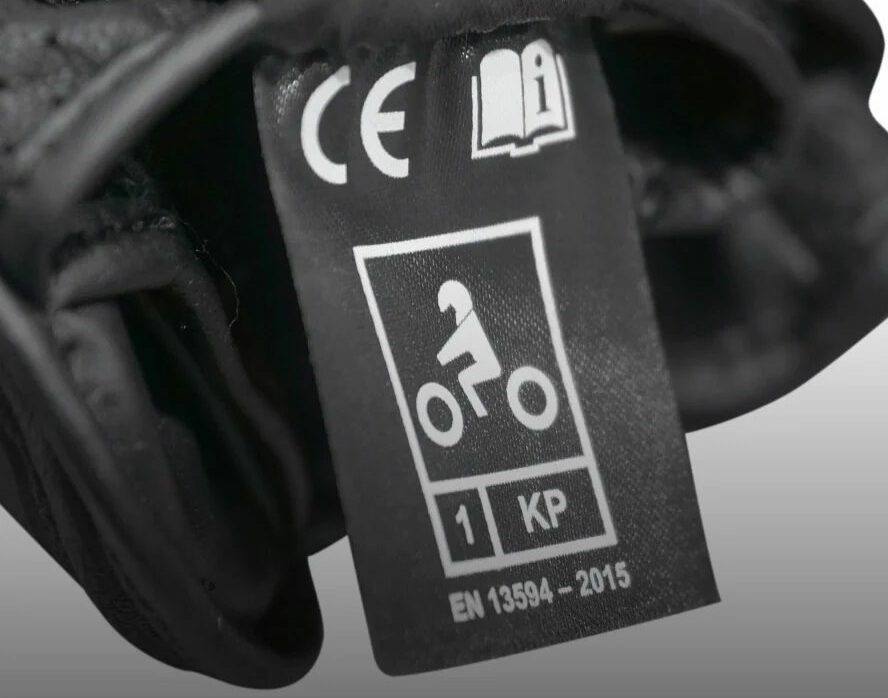
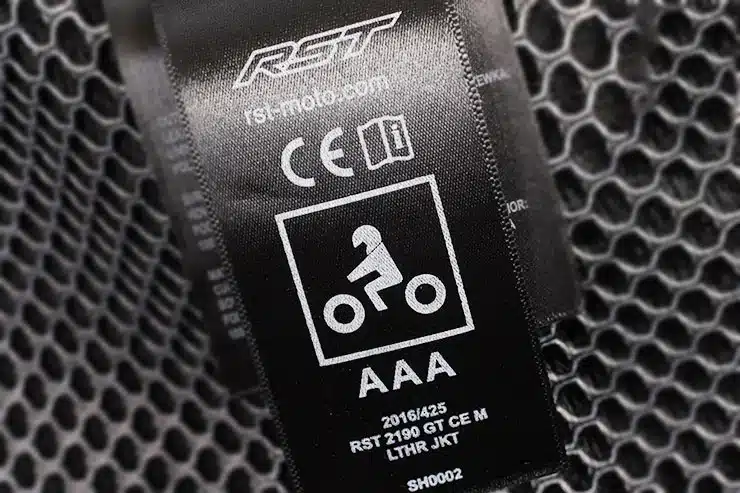
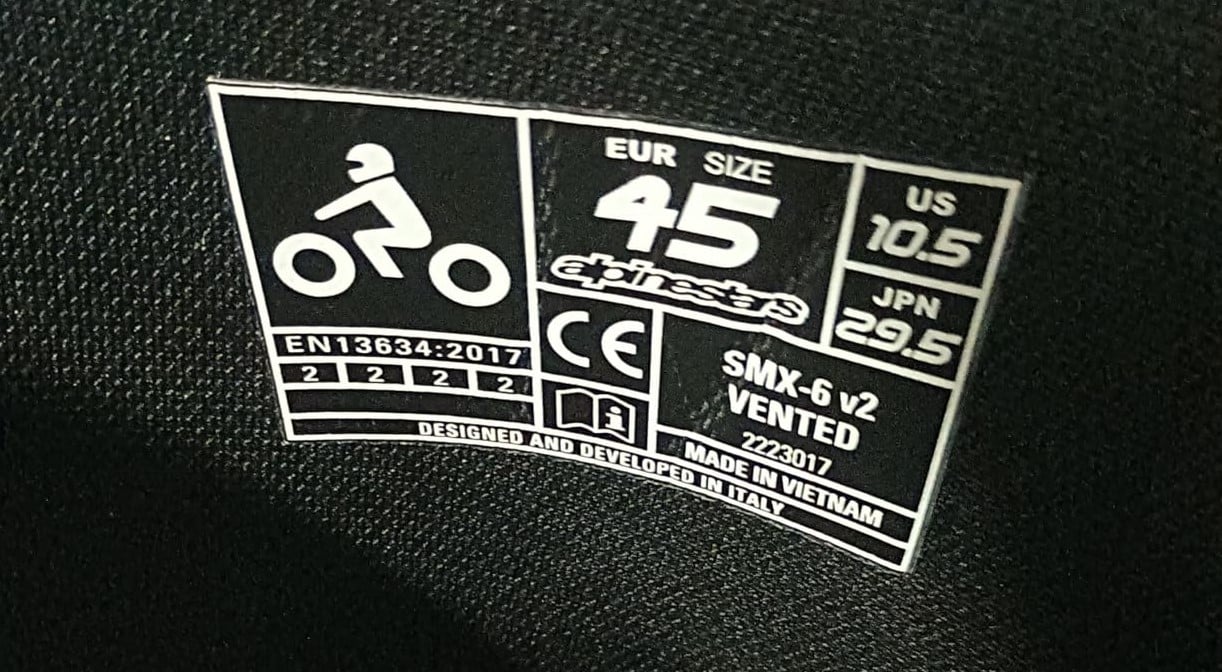
The CE certification label provides a quick guide to the boot’s safety features and performance levels. Here’s how to read it:
- EN 13634:2017: This code confirms that the boot meets the most recent standard for motorcycle footwear, revised in 2017.
- Performance Levels: A sequence of numbers like 2-2-1 indicates protection levels for impact, abrasion, and cut resistance, with 1 for basic and 2 for higher protection. If the sequence has 4 digits, like 1-2-2-1, the first digit simply describes the boot length. 1 is used for short boots, and 2 is used for full-length boots.
- Additional Markings: Other letters may appear, including:
- WR for water resistance, essential for weather protection.
- IPA for ankle-specific impact protection, reinforcing safety in this vulnerable area.
For example, a boot labeled EN 13634:2017 2-2-2-1 WR IPA is full-length, has high impact and abrasion resistance, basic cut protection, is water-resistant, and includes ankle impact protection.
Common Mistakes to Avoid When Buying Riding Boots
Don’t Buy Boots with EN ISO 20345 Standard
Some riding boots are advertised as CE-certified, but mention the CE standard for general safety shoes (EN ISO 20345) which lacks the specific protections needed for riding. This standard focuses on workplace hazards, such as impact from falling objects and slip resistance, rather than the high-speed impacts, abrasion, and twisting forces unique to motorcycling. Safety boots generally lack essential features like reinforced ankle support, abrasion-resistant materials, and sole rigidity designed for road conditions, leaving riders vulnerable in critical areas. Consequently, they’re not a suitable substitute for CE-certified motorcycle boots which are tested under the EN 13634 standard.
Don’t Buy Boots with Metal Toe Caps
While metal toe caps offer impact protection in hazardous work environments, they are not ideal for motorcycle use. In high-speed impacts, metal toe caps can deform or move, potentially pinching or crushing the toes. Although CE certification tests toe protection, it doesn’t mandate specific materials, so it is up to consumers to make educated choices that encourage manufacturers to make more responsible decisions about toe cap material.
Don’t Overlook Your Use Case
Different boots are designed for different purposes. Adventure boots are generally designed with rigidity, support, and ankle protection in mind, they also have better tread that can find grip on off-road surfaces. Street boots are generally designed for better high speed abrasion resistance and airflow, a slimmer toe box to change gears more easily, and a smooth sole for better feedback. There are a lot of different styles of boot out there, pick one that fits your use case.
In Summary
CE certification under the EN 13634 standard is essential for any serious rider, as it verifies that riding boots have passed rigorous testing tailored to motorcycling hazards. Major foot and ankle injuries can happen at any time, even from a low-speed bike drop, and recovery can be long, difficult, and painful.
With the current import difficulties due to BIS requirements, there are fewer CE-certified 2-2-2-2 boot options in the market, but please try to purchase the safest boot you can afford and don’t settle for inferior products.